|
The cost to the global economy of violence against women is estimated to be approximately US$12 trillion annually. The global community along with international agencies including the UN Women come together near the end of every year on November 25 to kickstart 16 Days of Activism against Gender-Based Violence, a global campaign that runs until December 10th, Human Rights Day.
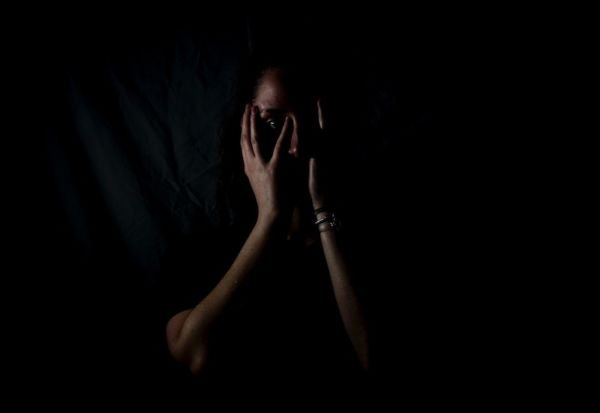
According to research, more than 35 percent of women have experienced some form violence and many national studies estimate up to 70 percent have experienced intimate partner violence during their lifetime.
Recognized in international law as a violation of human rights, domestic violence began to receive active, wide scale attention in the 1990s. According to the UN, "there is no region of the world, no country and no culture in which women's freedom from violence has been secured."
In 1979, the convention on the Elimination of All Forms of Discrimination Against Women (CEDAW) recognized violence as a part of discrimination against women. The World Conference on Human Rights recognized violence against women as a human rights violation in 1993 and led to later UN declarations such as the ’93 UN Declaration on the Elimination of Violence Against Women which was the ‘first international instrument explicitly defining and addressing violence against women.’
According to Wikipedia, In 2013, the United Nations Commission on the Status of Women (CSW) adopted, by consensus, Agreed Conclusions on the elimination and prevention of all forms of violence against women and girls (formerly, there were no agreed-upon conclusions). Also in 2013, the UN General Assembly passed its first resolution calling for the protection of defenders of women's human rights. The resolution urges states to put in place gender-specific laws and policies for the protection of women's human rights defenders and to ensure that defenders themselves are involved in the design and implementation of these measures, and calls on states to protect women's human rights defenders from reprisals for cooperating with the UN and to ensure their unhindered access to and communication with international human rights bodies and mechanisms.
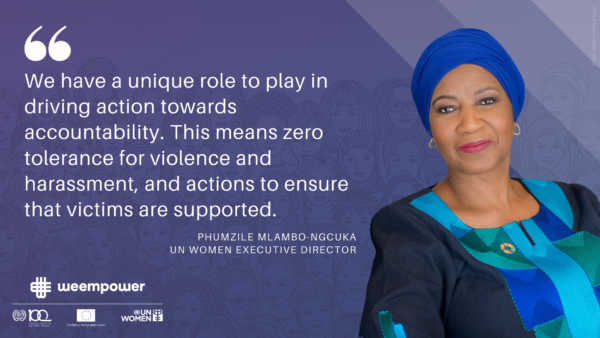
Moving forward, another hurdle to women’s economic empowerment is their treatment at the workplace. Workplace harassment has more recently gained much interest among human rights advocates, international agencies and even the corporate sector. According to Empower Women: “To shape a world of work free from violence and harassment, the ILO has established new global standards aimed at ending violence and harassment in the world of work. Historically in 2019, the ILO Convention No. 190 and Recommendation No. 206 were adopted. The Convention and Recommendation recognizes the right of everyone to a world of work free from violence and harassment, including gender-based violence and harassment.
There are many dimensions of violence, a woman faces during her lifetime – documentation, analysis and creation of rights-based policies and its implementation at all levels (to begin with) is the way forward to achieve gender equality, social justice and empowerment.
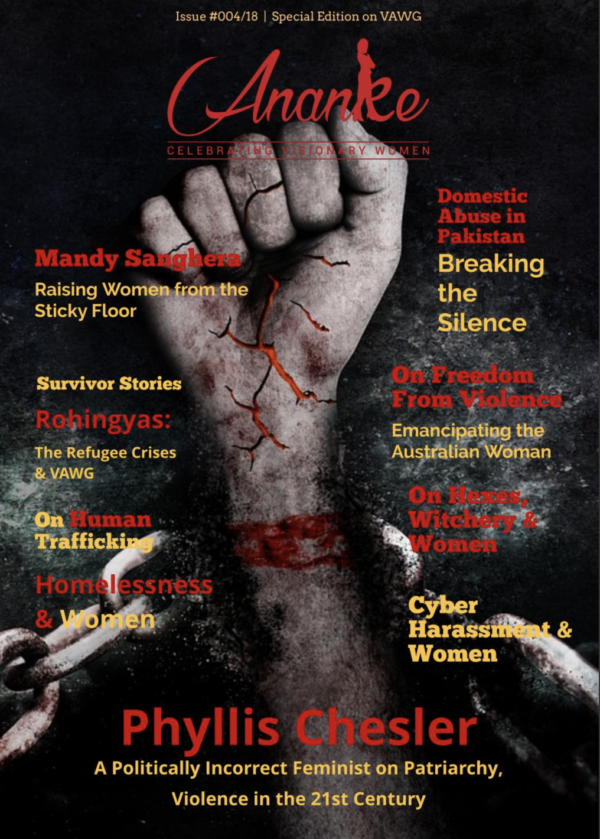
Marking the International Day for the Elimination of Violence Against Women and participating in the 16 Days of Activism, Ananke is proud to present the team’s effort over the past four years covering and debating on issues related to the plight of women and violence. This newsletter is dedicated to all the survivors, advocates, feminists on who’s shoulders we stand!
|